Finding Spirituality and Love
 The Bitter Truth Behind the Buzz: Is the “Hustle” Costing Us Our Future?
At the Kenya Self Help Organisation (KESHO-UK), our mission has always been anchored in the spirit of Harambee—the collective effort to pull together for the betterment of our community. For the Kenyan diaspora living here in the United Kingdom, that spirit does not stop at the border. We remain deeply connected to our families, our friends, and the general welfare of our nation back home. We celebrate the successes of the “Silicon Savannah” and the relentless drive of the Kenyan people. However, being part of a community also means having the courage to speak up when we see a systemic threat to our people’s wellbeing.
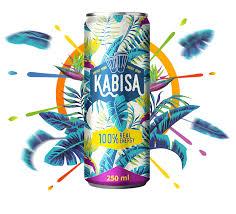
Today, that threat is visible on every street corner, from the bustling bus stations of Nairobi to the quietest rural trading centres. It is a crisis sold in a bright, affordable, sixty-shilling tin. We are talking about the unregulated explosion of high-stimulant energy drinks.
The Great Regulatory Divide
One of the most striking realisations for those of us residing in the United Kingdom is the glaring double standard in how these products are managed. In British supermarkets, energy drinks with high caffeine content are treated with a level of caution. You will find clear labels stating they are not recommended for certain groups, and most major retailers have implemented a voluntary ban on sales to anyone under the age of sixteen. There is an ongoing national conversation about the impact of these stimulants on heart health, dental hygiene, and mental stability.
When we look back at Kenya, the contrast is staggering. These same brands—along with a flood of “grey market” imports—are marketed with total abandon. They are positioned as symbols of strength, masculinity, and “Bazuu” (big man) status. They are sold alongside basic necessities like bread and milk, often without a single meaningful health warning.
We have to ask ourselves: why is the health of a Kenyan worker or a Kenyan student seemingly valued less than that of their counterparts in Europe? Why has our country become a dumping ground for chemical cocktails that are being increasingly restricted in the West? This is not just a matter of individual choice; it is a failure of the state to act as a shield for its citizens.
The Mechanics of a Health Debt
To understand the scale of the problem, we must look at what is actually inside these cans. Most people consume them because they feel tired, overworked, and under-pressed for time. In a twenty-four-hour economy where the “hustle” is glorified, these drinks are sold as a shortcut to productivity. But there is no such thing as free energy. You are not “gaining” power; you are borrowing it from your future health, and the interest rates are extortionate.
1. The Cardiovascular Strain The primary ingredients in these drinks are caffeine, taurine, and various synthetic stimulants. While a cup of coffee provides a steady lift, these drinks deliver a violent spike. Doctors across Kenya are reporting a terrifying rise in “Young Hypertension.” We are seeing men and women in their twenties and thirties—the most productive members of our society—presenting with the heart health profiles of sixty-year-olds. Their hearts are being forced to beat at an unnatural pace while they are physically stationary, leading to palpitations, arterial stiffness, and, in extreme cases, sudden cardiac events.
2. The Sugar Bomb A typical five-hundred-millilitre energy drink contains upwards of fifteen teaspoons of sugar. To put that in perspective, that is more than the recommended daily limit for an adult in one sitting. In a nation where the prevalence of Type 2 Diabetes is already on the rise, we are effectively drinking ourselves into a metabolic crisis. This is a burden that our overstretched public health system and our family pockets simply cannot afford to carry.
3. The Psychological Toll and Dependency The “high” provided by these stimulants is inevitably followed by a “crash.” This leaves the consumer feeling more exhausted, irritable, and anxious than they were before they opened the can. This creates a cycle of dependency. A boda boda rider feels he needs a second can to get through the afternoon shift; a night-shift guard needs a third can to stay awake until dawn. This is not “energy”—it is a chemical leash that keeps our people tethered to a product that is slowly draining their vitality.
The Social Metaphor: A Nation on a Caffeine High
At KESHO-UK, we believe this issue is a metaphor for the current state of the Kenyan economy. We have a society that is working harder than ever, yet often struggling to make ends meet. Instead of addressing the root causes of exhaustion—such as the need for better wages, more humane working hours, and improved public transport—the market provides a cheap, chemical “fix.”
It is much easier for a company to sell a sixty-shilling stimulant than it is for a society to ensure its workers are well-rested and properly nourished. These drinks act as a mask for the physical and mental fatigue of a nation. We are essentially using chemicals to keep the machine running, ignoring the fact that the machine is breaking down.
A Call for Community Responsibility
Self-help is the cornerstone of our organisation. But self-help begins with self-preservation. We cannot build a prosperous community on a foundation of poor health. As the Kenyan diaspora, we have a unique and powerful voice. We have the advantage of seeing the global picture, and we have the resources to advocate for change.
We are calling for a three-pronged approach to tackle this crisis:
First: Robust Regulation The Kenya Bureau of Standards (KEBS) and the Ministry of Health must step up. We need more than just fine-print ingredients lists. We need front-of-pack warning labels that are impossible to miss. If a drink contains enough caffeine to cause heart palpitations, the consumer has a right to know that in clear, bold language before they hand over their money.
Second: Economic Accountability We need to discuss a “Sugar Tax” that actually bites. The revenue from such a tax should be directly funneled into the public health sectors that are currently dealing with the fallout of non-communicable diseases like diabetes and hypertension. Furthermore, we must ban the sale of these high-stimulant drinks to minors. Protecting the next generation from a lifetime of heart issues is a non-negotiable duty of the state.
Third: A Cultural Shift We need to reclaim the definition of “strength.” Being a “Bazuu” or a successful “Hustler” should not be synonymous with consuming a chemical cocktail that leaves you jittery and unwell. Real strength is found in a healthy body, a sharp mind, and a sustainable lifestyle. We need to encourage our people to return to natural sources of energy—proper hydration, nutritious food, and, most importantly, the right to rest.
The Role of KESHO-UK
As an organisation based in the United Kingdom, we are committed to being a bridge of information. We will continue to monitor how these global companies operate and highlight the discrepancies in how they treat Kenyan consumers versus British ones. We will use our platforms to educate our members so that when they call home, they can have informed conversations with their loved ones.
We encourage every member of the Kenyan community here to speak to their brothers, sisters, and cousins back home. Ask them how many of these cans they are consuming. Tell them about the risks we see being debated here in the United Kingdom. Knowledge is the first step toward freedom from dependency.
Conclusion: Our Future is Not for Sale
Kenya is a nation of immense potential, but that potential resides in the health and longevity of its people. We cannot afford to have a generation of workers whose kidneys and hearts fail before they reach their prime. We cannot afford to let multinational corporations profit from the exhaustion of our people while leaving the Kenyan taxpayer to pick up the hospital bill.
The “hustle” is a noble pursuit, but it should not be a death sentence. It is time to wake up to the bitter truth behind the buzz. Let us pull together to demand better standards, better health, and a better future for every Kenyan.
Real energy is not found in a tin. It is found in a fair society, a healthy body, and a clear mind. Let us protect our “Kesho”—our tomorrow—by making the right choices today.
What have you observed during your visits home? Have you noticed a change in the health of those around you who rely on these drinks? Join the KESHO-UK discussion and let us work together to protect our community.